
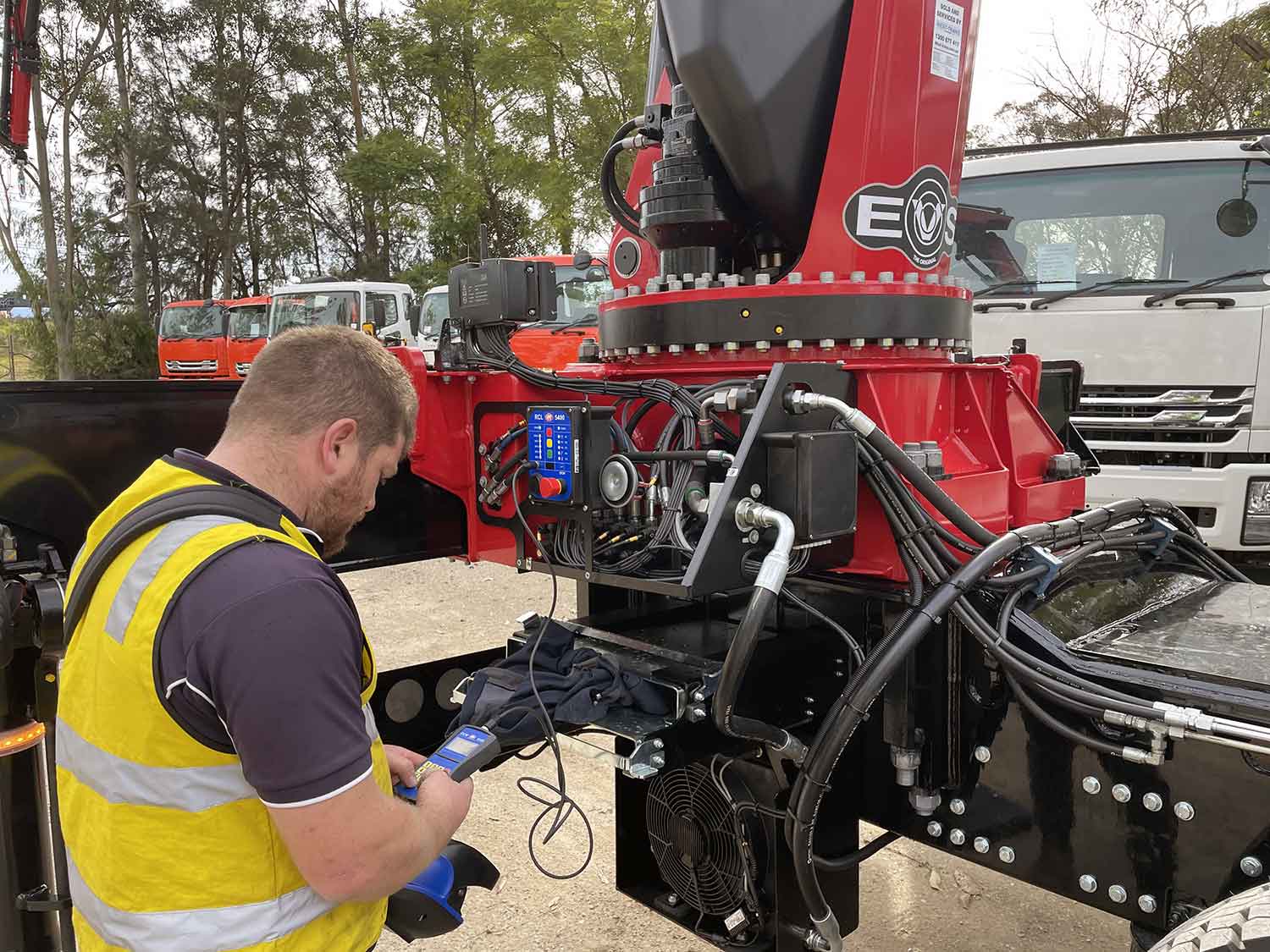
A damaged truck crane costs $150,000+ to replace. One workplace accident involving poor crane operation? You’re looking at hundreds of thousands in legal fees, insurance claims, and lost productivity.
Operator training directly protects both your people and your equipment. Trained operators make 40% fewer costly mistakes, recognise dangerous situations before accidents happen, and operate cranes smoothly enough to extend equipment life by 30-40%.
Yet most companies treat truck mounted crane operator training as a compliance box to tick, not as equipment protection.
Untrained operators create two problems at once. First, they damage your crane through jerky hydraulic control, poor stabiliser setup, and side-loading. A hydraulic cylinder becomes a more costly replacement, and boom sections crack years early. Secondly, they create safety risks—misjudged loads, stability failures, and accidents that cost far more than any repair bill.
Vehicle loading cranes aren’t cheap purchases for construction, logistics, and infrastructure companies. Learn how operator skill protects your investment and your workforce at the same time.
Why Truck Mounted Cranes Need Specialised Skills
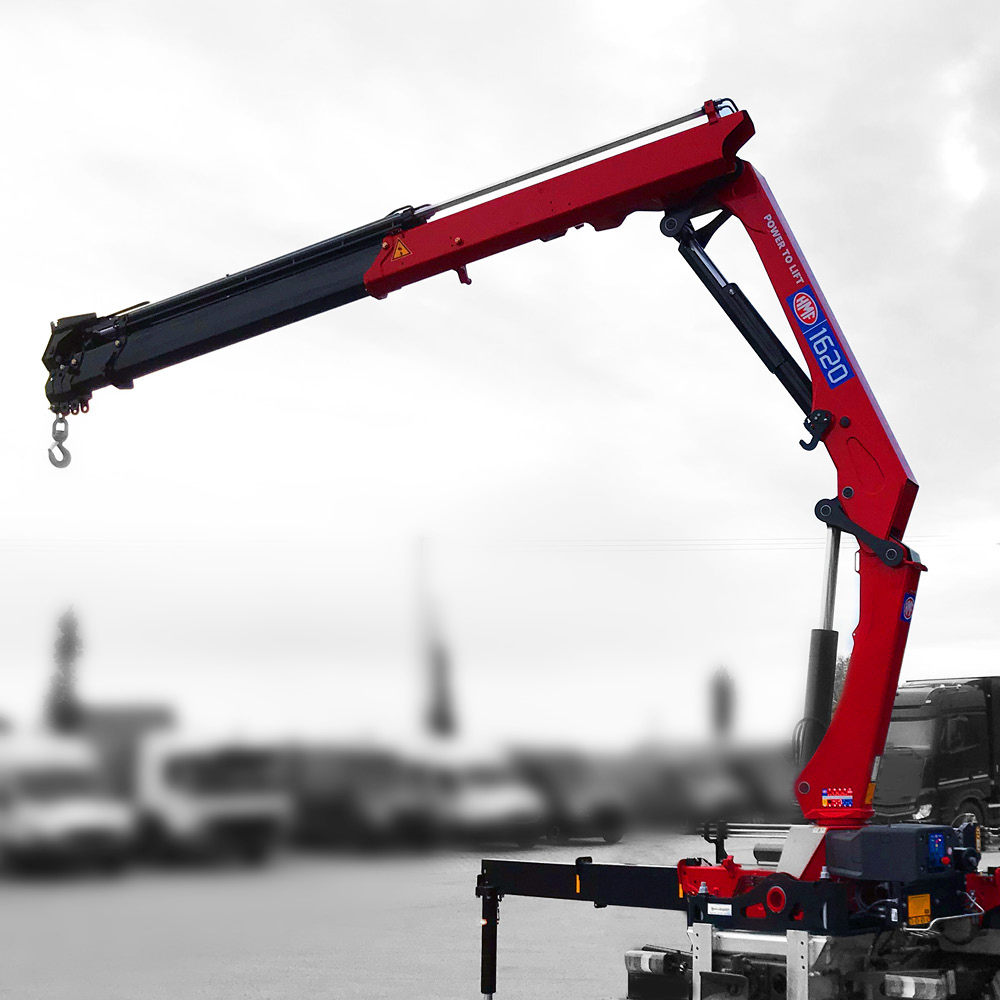
Vehicle loading cranes aren’t like other cranes. Mobile cranes are self-contained units. Everything’s built into one machine.
Truck-mounted cranes are a different story. You’ve got the crane system mounted on a standard truck chassis, meaning operators are juggling multiple systems at once:
- Hydraulics
- Power take-off mechanisms
- Articulated boom sections
- Stabiliser assemblies
All of this on a mobile platform.
Someone who’s operated other cranes might think they know what they’re doing. They don’t, not unless they’ve had specific training on loader cranes.
Knuckle Booms Are Complex
Knuckle boom cranes need operators to coordinate multiple boom sections simultaneously. Telescopic booms extend in one direction. With articulated booms, you’re sequencing multiple articulation points.
Get the sequence wrong and you create side-loading, which destroys structural components, but we’ll come back to that.
Hydraulics Don’t Forgive Mistakes
Modern loader cranes use hydraulic systems with pressure transducers and load sensing pumps. When you operate them smoothly, they’re precise. When you don’t, they’re expensive.
Jerky movements create hydraulic pressure surges over 300 bar. That’s way beyond normal operating pressure. Operators who haven’t been properly trained keep overcorrecting when loads don’t respond quickly enough. They’re learning on your equipment and damaging it in the process.
The PTO system connects your truck’s engine to the crane’s hydraulics. Engage or disengage it wrong, and you damage both the truck and the crane.
Every system responds differently to operator inputs. You need coordinated control, and that only comes from proper training.
How Training Prevents Accidents
SafeWork Australia’s data is clear: operator error causes most crane-related incidents. For truck-mounted cranes specifically, it comes down to three things:
- Not understanding the load capacity
- Poor stabiliser positioning
- Skipping pre-operational checks
Load Capacity Isn’t Guesswork
Every loader crane has load charts. They tell you exactly how much you can lift at different distances from the centre of the column. The charts factor in boom angle, extension, and stabiliser setup.
Untrained operators either misread these charts or just guess based on previous lifts with different equipment. That’s how accidents happen.
Modern cranes have rated capacity limiter computers. They monitor load conditions in real-time and won’t let you overload the crane. But these systems can’t fix operators who don’t understand what they’re doing. The difference between a safe lift and an overload can be a few centimetres of boom extension or a couple of degrees of angle.
Stabilisers matter just as much. On truck-mounted platforms, your stability depends entirely on proper outrigger deployment. Ground conditions, surface slope, stabiliser pad condition—all of it affects whether your crane stays upright.
Operators need to assess these variables before they start work, not during.
What Actually Goes Wrong
Side loading causes more structural damage than anything else. It happens when operators:
- Drag loads horizontally
- Lift at extreme angles
- Swing loads without proper clearance
The stress concentrates at boom connections and cylinder mounting points. You get cracks, and eventually, structural failure.
Other common mistakes:
- Exceeding rated capacity (even briefly)
- Operating in high wind without adjusting technique
- Working on unstable ground
- Ignoring load swing dynamics
Each mistake increases the risk of accidents and damages your equipment.
The Legal Side
Australian work health and safety legislation is clear: employers must ensure operators have appropriate competencies. It’s not optional.
Insurance policies now require documented operator certification. If an incident involves untrained personnel, your claim gets denied.
Courts consistently rule that adequate training is a fundamental employer obligation. You can’t skip it.
How Operator Skill Affects Equipment Life
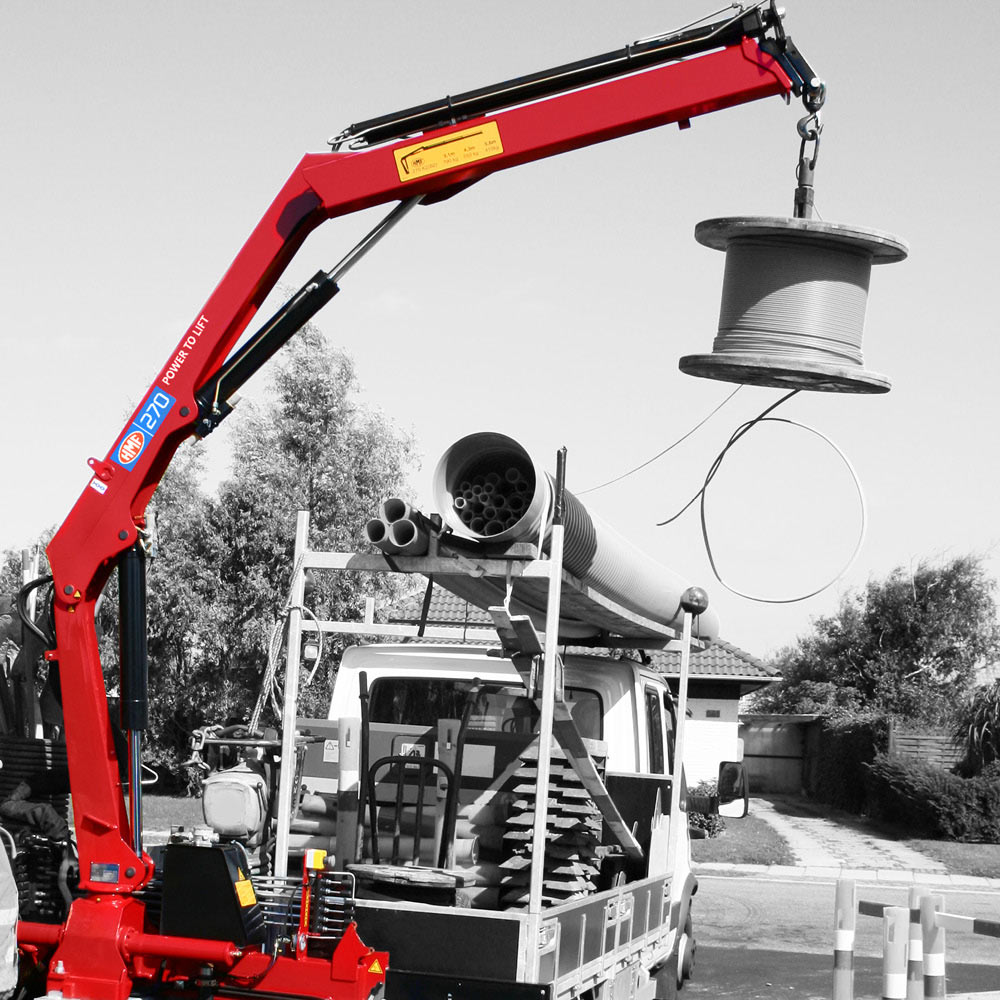
You can measure this by simply tracking your repair costs and replacement schedules. Cranes operated by trained personnel last 30-40% longer than those operated by untrained operators.
That’s not a small difference.
Smooth Control Extends Crane Life
Here’s the most important skill: smooth hydraulic control.
Controlled inputs mean hydraulic cylinders extend smoothly, loads accelerate gently, and structural components experience the loads they were designed for.
Jerky control creates shock loading. That’s a sudden force application that generates stress peaks way beyond normal loads.
These shock loads travel through boom sections, stressing welds, connections, and pivot points. The damage accumulates over thousands of cycles. Eventually, you get cracks in high-stress areas.
A crane that’s constantly shock-loaded might develop structural problems within five years. The same crane operated smoothly? Fifteen years or more of reliable service.
Trained operators also understand boom angles. They know which configurations minimise stress for specific lifting tasks. Untrained operators pick whatever’s convenient, regardless of what it does to the equipment.
Your Hydraulics Take a Beating
Hydraulic systems in vehicle loading cranes work hard. Pressure spikes from poor operation blow cylinder seals. Then you get contaminated hydraulic fluid followed by accelerated pump wear.
Rapid directional changes and aggressive control create pressure transients that damage components.
Temperature matters too. Aggressive operation generates excessive heat. That breaks down hydraulic fluid and reduces its lubricating properties. Trained operators recognise when systems need cooling periods.
Replacement components
- Hydraulic cylinder
- Hydraulic pump
These aren’t routine maintenance items. They’re expensive repairs that result from operational abuse.
Structural Components Wear Out Faster
Boom alignment and proper articulation sequencing reduce wear on pins, bushings, and pivot points. Each articulation point experiences friction during operation.
Smooth, deliberate movements minimise wear. Jerky operation accelerates it.
If your loader crane has a winch fitted, wire rope condition depends heavily on technique. Shock loading frays cables and overstresses rope terminations.
The mounting points where cranes attach to truck chassis experience enormous forces. Proper stabiliser deployment distributes these forces as designed. Inadequate setup concentrates forces at mounting points. You get frame cracks and subframe damage that compromises the entire installation.
Small Problems Become Expensive Problems
A small hydraulic leak means seal wear. Catch it early, and you’re looking at a few hundred dollars for seal replacement.
Ignore it until the cylinder fails? Thousands of dollars for cylinder replacement. Plus downtime while you wait for repairs.
Accelerated wear shortens replacement cycles. A boom section designed to last fifteen years might need replacement after eight with poor operation.
For large articulated cranes, boom section replacement costs are $20,000+ per section.
Downtime Costs More Than Parts
When your truck crane is out of service, you’re hiring replacement equipment, rescheduling jobs, or operating short-handed. These disruptions often cost more than the actual repairs.
The worst cost is premature replacement. A properly maintained vehicle loading crane provides reliable service for twenty years or more.
Poor operation forces replacement after ten years. You’re absorbing major capital expenditure years ahead of schedule.
What Good Training Actually Covers
Effective training isn’t just theory. It’s not just hands-on practice either. You need both, focused on the specific equipment your operators will use.
Theory That Actually Matters
Operators need to understand:
- Hydraulic principles
- Load dynamics and physics
- Australian safety regulations (including High-Risk Work Licence requirements for cranes over 10 tonne-metre)
- Manufacturer specifications
HMF technical manuals provide equipment-specific operating parameters. That’s where operators learn what their specific crane can and can’t do.
Practical Skills You Can’t Learn From a Book
Training must cover:
- PTO engagement procedures
- Hydraulic control technique
- Stabiliser deployment and verification
- Load positioning precision
- Emergency shutdown procedures
Operators need to demonstrate competency in actual operating conditions. Not just controlled training environments.
Match Training to Your Equipment
Articulated boom cranes require different techniques than telescopic cranes. Capacity ranges affect how you operate. Manufacturer-specific controls and safety features need dedicated instruction.
Cranes under 10 tonne-metre (like the HMF 1130K-RCS) don’t legally require High-Risk Work Licences. But that doesn’t mean operators don’t need training.
These cranes still have complex hydraulics, stability considerations, and potential for serious damage or accidents.
If you’re running a responsible fleet, you train operators regardless of licensing requirements.
Training Doesn’t Stop
Refresher courses maintain skills and cover new techniques or equipment updates. New operators benefit from supervised periods where experienced personnel provide guidance.
Regular competency assessments ensure operators maintain proper technique over time. Skills degrade without practice and reinforcement.
The Numbers on Training ROI
For training, you will need to pay per operator for their certification.
Common parts needing repair from operator error:
- Hydraulic cylinders
- Boom sections
- Hydraulic pumps
- Mounting points
One avoided major repair pays for training multiple operators. But the return goes beyond avoiding repairs.
Productivity increases when operators work confidently. They position loads accurately on the first attempt. Fewer do-overs means faster cycle times.
Fuel efficiency also improves with smooth operation. Aggressive hydraulic inputs waste fuel through inefficient power conversion.
Extended equipment life protects resale value. Well-maintained cranes operated by trained personnel command premium prices in the used market. If you rotate equipment every 7-10 years, that training investment returns value at resale time.
Most importantly, training preserves the asset itself. A vehicle loading crane is a fifteen to twenty-year investment when properly cared for. Training ensures you get that full service life.
Australian Compliance Requirements
Cranes with a lifting capacity over 10 tonne-metres require operators to hold High-Risk Work Licences. That’s federal. Then you’ve got state-specific regulations in Queensland, NSW, Victoria, and WA.
But compliance goes beyond licensing. Your duty of care means ensuring operators have competencies appropriate for the specific equipment they’re using.
Insurance policies require documented operator certification. Claims involving untrained personnel get denied.
You need maintained records of:
- Operator training
- Competency assessments
- Equipment-specific authorisations
Work Health and Safety frameworks require documented risk management. Operator training is a control measure. You can’t just say “we’ll be careful.”
Legal liability in incidents involving untrained operators results in substantial penalties for companies and individual managers. Courts don’t accept excuses here.
Finding Quality Training Providers
Look for Registered Training Organisations with specific experience in articulated boom and truck-mounted crane operation. The trainer should assess hands-on skills using equipment similar to what your operators will actually use.
On-site training works well for larger fleets. Your operators train on their actual equipment. Facility-based training offers controlled environments for initial skill development. Many companies combine both approaches.
Timing also matters, as ideally, operators complete training before equipment delivery. That ensures competent operation from day one.
For fleet expansions, phased training works. Experienced operators mentor newly trained personnel.
HMF Australia can connect you with accredited training providers who understand vehicle loading cranes. Manufacturer documentation and operator manuals serve as valuable training resources. They provide equipment-specific guidance that supplements formal training.
Protecting Your Investment
Vehicle loading cranes cost serious money. They deserve protection through proper operator training.
The connection between operator skill, equipment longevity, and workplace safety isn’t theoretical. You see it daily in fleets across Australia.
Training costs are small compared to equipment damage, accidents, and shortened service life from untrained operation. Smart fleet managers recognise that operator competency is part of the total cost of ownership. It influences maintenance expenses, safety outcomes, and when you’ll need to replace equipment.
When you’re evaluating truck mounted crane purchases, don’t just look at equipment specifications. Consider the operational requirements those specs demand and match crane capabilities to operator skill levels. That’s how you ensure both safety and equipment protection.
HMF Australia helps customers understand these operational considerations as part of crane selection. Our team provides guidance on equipment specifications, operational requirements, and connects buyers with training resources.
Ready to discuss truck mounted crane selection and operator requirements? Contact HMF Australia to speak with our equipment specialists or explore our range of vehicle loading cranes designed for precision operation and longevity.