
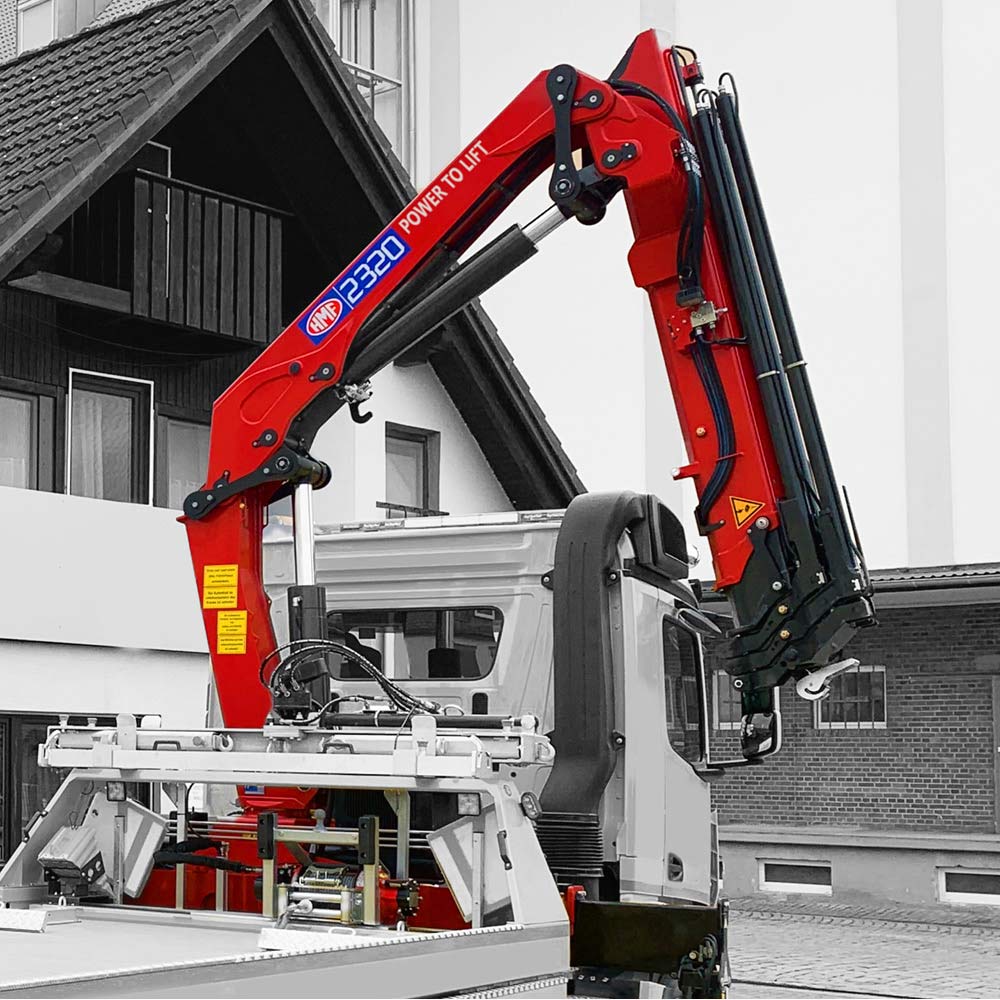
A vehicle loading crane is a significant investment, and how long it remains productive largely depends on decisions made well before anything breaks down. Service life is not simply a question of age. Workload, operating environment, service history, parts quality and how quickly issues get addressed all play a part.
Most of the factors that shorten a crane’s working life are within an owner’s control, and the difference between a crane that reaches its ten-year inspection in good shape and one facing a hefty repair bill usually comes down to how well it was looked after in the years prior.
What “Service Life” Means for a Vehicle Loading Crane
Service life is not just about whether a crane still runs. A crane can remain operational long after it stops being cost-effective, and it can pass an annual inspection while carrying accumulated wear that quietly erodes its commercial value. Physical function, cost-effectiveness and compliance do not always deteriorate at the same rate, which is why a servicing approach that only reacts to breakdowns tends to fall short.
Staying ahead of wear across all three is what keeps a crane genuinely productive rather than just technically running.
What Shortens a Crane’s Working Life
Poor service history is one of the biggest contributors, because gaps in records mean problems go undetected until they become expensive. Worn parts left too long, hydraulic contamination, corrosion and high-cycle use all take their toll, and operating technique affects the machinery more than most owners realise.
Australian conditions, particularly in coastal and mining environments, add another layer, and standard service intervals may not be enough. Non-specialist repairers and unsuitable parts can introduce compliance issues that only surface later, and incomplete documentation has a habit of becoming a problem at exactly the wrong moment, whether that is at resale, during a warranty discussion, or when heading into a major inspection.
A Lifecycle Servicing Plan, Not Just a Maintenance Schedule
Routine maintenance keeps the crane working now, but lifecycle servicing is a broader approach that plans for age, wear, parts replacement, and future inspection requirements throughout the crane’s full working life. The two are different, and conflating them is a common reason operators find themselves unprepared when deeper issues emerge.
A practical lifecycle framework covers four stages. In the first three years, the priority is to establish accurate service records and build proper operating habits. Between three and seven years, the focus shifts to monitoring wear patterns and replacing parts before failures occur.
From seven to ten years, structural and hydraulic conditions both need closer attention as the major inspection approaches. Beyond ten years, the economics of the crane need to be weighed against the cost of continued servicing, remedial work and the next inspection cycle.
Keep the Hydraulic System Healthy Before Performance Drops
Vehicle loading cranes are hydraulically driven, which makes the hydraulic system central to both performance and longevity. The main service-life risks are contamination, heat accumulation, hose wear, seal degradation and filter neglect.
Repeated hydraulic oil top-ups without diagnosing the source of the loss is a warning sign that needs investigating, not a routine workaround. Early hydraulic servicing prevents damage to more expensive downstream components, and hydraulic systems are thoroughly assessed during major inspections, including hoses, fittings, pumps, valves, and contamination patterns.
Replace Wear Parts Before They Damage Larger Components
The smaller wear parts on a vehicle loading crane are often the ones doing the most protective work. A bushing wearing out before a pin, a filter catching contaminants before they reach a pump, a hose or seal failing before hydraulic pressure is lost across a cylinder; these are not coincidences, they are how the system is designed. The same logic applies to stabiliser components, which take considerable stress on every job.
Putting off replacing any of them to save a small upfront cost tends to result in a larger repair bill down the track, along with the downtime that comes with it. Sourcing genuine parts through HMF’s servicing network is the easiest way to avoid that pattern.
Match Your Servicing Frequency to Workload and Environment
A calendar-based service schedule is a starting point, not a complete answer. A crane doing light metro deliveries a few times a week is under very different stress than one on a civil construction site every day, and treating them the same way will eventually show.
Australian operating environments push this further. Salt air on the coast affects boom sections, pins, and structural components between services. Dust in mining and quarry environments gets into seals, filters and hydraulic systems in ways that only become apparent when something fails. Mud, impact loads and the sheer cycle frequency of construction work place their own demands on stabilisers and articulation points.
For cranes operating in these conditions, the servicing schedule is best discussed with a qualified crane technician rather than set once and left alone.
Protect Your Crane’s Value With Complete Service Records
Complete service documentation is part of the crane’s commercial value, not just a compliance requirement. Records should cover service dates, parts replaced, inspection outcomes, hydraulic oil and filter changes, fault reports, repairs, modifications and technician notes.
Well-maintained records support resale value, warranty discussions, and confidence in compliance, and enable faster diagnosis when issues arise. They are also an essential input when planning work ahead of the ten-year major inspection. AS 2550.11 covers inspection schedules, maintenance, record-keeping and personnel competency requirements, and thorough documentation is the clearest demonstration that a crane has been managed accordingly.
Use Crane-Specific Technicians, Not Just General Mechanical Support
Vehicle loading cranes combine hydraulics, structural components, electronics, safety systems and vehicle integration in ways that general truck mechanics are not always equipped to assess. A qualified crane technician can evaluate boom wear, hydraulic performance, RCL (Rated Capacity Limiter) systems, stabilisers, mounting structure, crane-specific electronics and parts compatibility.
Vehicle loading crane controls can also change function depending on the position of the crane boom, which increases the risk of operator error when awareness is low and underscores why operator training matters as much as the servicing itself. Emergency stop devices should be accessible at every control station as a standard risk control measure. HMF’s servicing network consists of trained engineers, part manufacturers and specialists who deliver servicing across Australia.
Plan Ahead for the 10-Year Major Inspection
Under AS 2550.11, vehicle loading cranes must undergo a major inspection at ten years from manufacture or commissioning, followed by further inspections at intervals not exceeding five years. The cost of this inspection can reach up to 50% of a new crane’s purchase price if significant remedial work is required. Cranes with well-maintained service records, addressed wear and clean hydraulic histories tend to face fewer surprises at that point. Good servicing in the years leading up to the inspection does not eliminate the process, but it can meaningfully affect its scope and cost.
Know When Servicing Should Lead to Replacement Advice
A good service partner does not simply keep an old crane going. Part of qualified support is helping identify when the economics no longer stack up. Frequent repairs, recurring faults, parts delays that affect uptime, outdated safety systems, a crane no longer suited to current work, or inspection costs approaching the replacement value are all signals worth taking seriously.
The questions worth asking are practical ones:
- How many days of unplanned downtime has the crane had in the last twelve months?
- Are the same issues recurring?
- Are parts becoming harder to source?
- Would newer safety or stability features improve productivity?
Managing a crane as a long-term commercial asset means having those conversations before a breakdown forces the decision.
Practical Service-Life Checklist for Crane Owners
Every shift
Before and after each shift, the crane operator should check for visible damage, leaks or unusual movement. Any unexpected noise, vibration or sluggish response from the controls warrants a report before the next lift. Stabilisers, hooks, hoses and the control station should all be checked as part of normal safe operation.
Every service interval
Hydraulic performance should be reviewed, and filters replaced as required. Pins, bushings, hoses, and fittings should be inspected, and all safety and control systems should be tested and confirmed to be functional.
Every service should be documented with the parts replaced, the work performed, and the technician’s notes recorded. The load chart should be legible and lifting limits understood by the operator.
Annually
Annual inspections by a competent person are required under Australian Standards. These should include a full review of service records, an assessment of wear trends and planning for parts replacement before failures occur. Annual inspections focus on operational safety and visible wear and are separate from the ten-year major inspection process.
Before the ten-year mark
Review the complete service history and address any known issues before the inspection window arrives. Plan for downtime and get comparative advice on repair, refurbishment and replacement options. For cranes with a capacity of 10 metric tonnes or more, where a high-risk work licence is required for the crane operator, having complete and current compliance records is particularly important at this stage.
Extend Crane Life With the Right Servicing Support
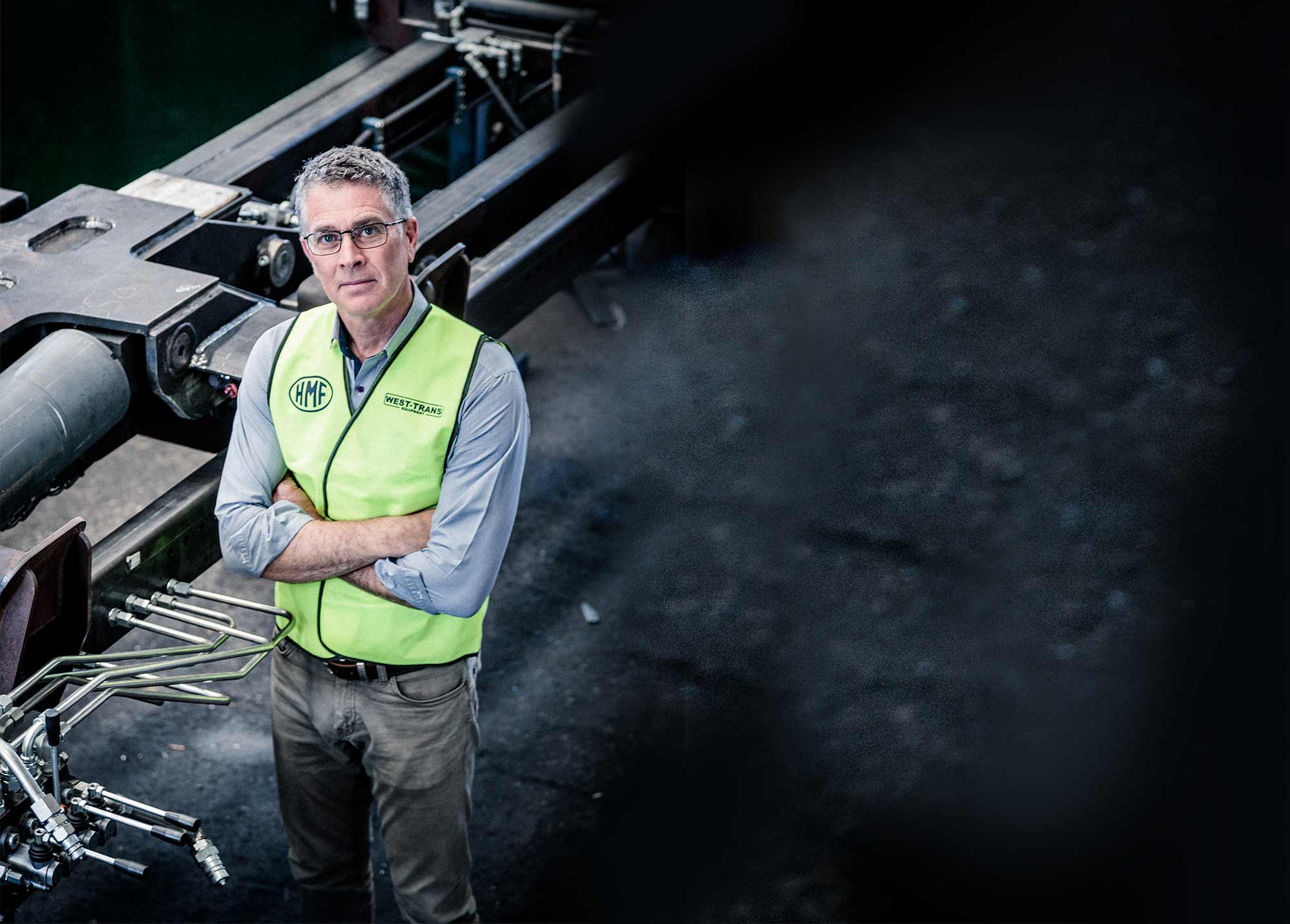
Crane service life comes down to planned servicing, quality parts, thorough documentation, and support from technicians who specifically understand vehicle loading cranes. To schedule servicing, source parts, or find an approved HMF service partner across Australia, contact HMF Australia directly.
Frequently Asked Questions
How can I extend the service life of a vehicle loading crane?
Consistent servicing at appropriate intervals, early replacement of wear parts, clean hydraulic maintenance, complete service records and support from qualified crane technicians are the main factors. Australian operating environments often require more frequent attention than standard intervals suggest.
How often should a vehicle loading crane be serviced?
Service frequency should reflect the actual workload and operating environment. High-use cranes in demanding conditions require more frequent servicing than lightly used cranes. Manufacturer intervals provide a baseline, but real-world use should drive the final schedule.
What parts wear out fastest on a vehicle loading crane?
Bushings, pins, hydraulic hoses, seals, filters and stabiliser components tend to wear more quickly than major structural parts. Addressing them promptly is one of the most cost-effective servicing decisions an operator can make.
Why is service history important for a crane?
Service records support resale value, confidence in compliance, warranty discussions, and faster fault diagnosis. They are also essential for major inspection preparation and for demonstrating that the crane has been managed in line with AS 2550.11.
Can harsh Australian conditions shorten a loading crane’s life?
Yes. Coastal salt air accelerates corrosion on boom sections and structural components. Mining and quarry dust create abrasive wear on seals and filters. High-cycle use in construction or civil work increases wear on pins, bushings and hydraulic systems. Servicing plans should reflect the operating environment, not just calendar intervals.
When should I replace a crane instead of repairing it?
When repairs are becoming frequent, recurring faults are not being resolved, parts are difficult to source, or inspection costs are approaching replacement value, replacement is worth serious consideration. A qualified service partner should be able to help assess the economics honestly.